
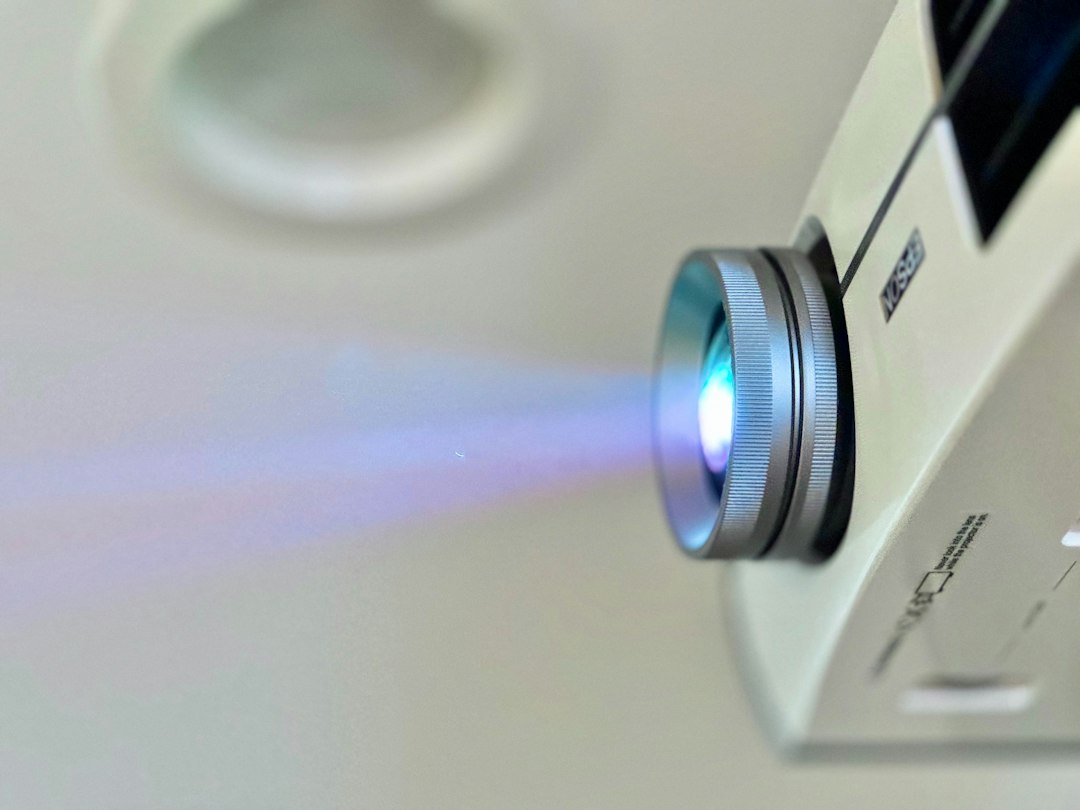
Choosing the right mini projector can transform your viewing experience, whether for home entertainment, business presentations, or outdoor movie nights. With so many options available, it’s crucial to know what features to prioritize to ensure you make a wise investment. This guide will walk you through the essential features to look for when selecting a quality mini projector, helping you make an informed decision that meets your needs.
Resolution Matters
One of the most critical features to consider is the resolution of the mini projector. Higher resolution means clearer and sharper images, which is especially important for detailed presentations or watching movies. Look for projectors that offer at least 720p resolution for a decent viewing experience, but if your budget allows, aim for 1080p or even 4K for the best quality. This ensures that you won’t miss any details, whether you’re watching a fast-paced action film or displaying intricate graphics.
Additionally, consider the aspect ratio of the projector. Most modern projectors support a 16:9 aspect ratio, which is ideal for widescreen content. However, if you plan to use the projector for various types of media, including older formats, a projector that supports multiple aspect ratios can be beneficial. This flexibility allows you to enjoy a wide range of content without compromising on quality.
Brightness and Contrast Ratio
Brightness is another crucial factor that can significantly affect your viewing experience. Measured in lumens, the brightness of a mini projector determines how well it performs in different lighting conditions. For indoor use, a projector with at least 1,000 lumens is generally sufficient, but if you plan to use it outdoors or in well-lit rooms, look for projectors with 2,500 lumens or more. This ensures that your images remain vibrant and visible, even in challenging lighting situations.
Contrast ratio also plays a vital role in image quality. A higher contrast ratio means deeper blacks and brighter whites, which enhances the overall picture quality. Look for projectors with a contrast ratio of at least 1,000:1 for a more dynamic viewing experience. This feature is particularly important for movies and gaming, where visual depth can significantly impact immersion.
Portability and Connectivity Options
Portability is a key advantage of mini projectors, making them ideal for on-the-go presentations or outdoor movie nights. When selecting a mini projector, consider its weight and size. A lightweight model that easily fits in your bag will be more convenient for travel. Additionally, check for a built-in battery option, which allows for use in locations without easy access to power outlets.
Connectivity options are equally important. Ensure the projector has multiple input options, such as HDMI, USB, and even wireless capabilities. This versatility allows you to connect various devices, including laptops, smartphones, and streaming devices, without hassle. A projector that supports wireless connections can also simplify setup and reduce cable clutter, making it easier to enjoy your content.
Sound Quality and Additional Features
While many mini projectors come with built-in speakers, the sound quality may not always meet your expectations. If audio quality is essential for your viewing experience, consider investing in a projector that offers external audio output options. This allows you to connect external speakers for a more immersive sound experience, especially during movie nights or presentations.
Finally, look for additional features that can enhance your overall experience. Features such as keystone correction, which allows you to adjust the image shape for a perfect display, and built-in streaming capabilities can add significant value. Some projectors even come with smart features, enabling you to access apps and content directly from the device. These added functionalities can make your projector more versatile and user-friendly.
Checklist:
Before making your purchase, ensure you have a checklist of essential features: prioritize resolution and brightness, consider portability and connectivity options, and evaluate sound quality and additional features. By focusing on these aspects, you can confidently choose a mini projector that meets your specific needs and enhances your viewing experience.
In conclusion, selecting the right mini projector involves careful consideration of various features that impact performance and usability. By understanding the importance of resolution, brightness, portability, and sound quality, you can make an informed decision that will serve you well for years to come. Whether for personal use or professional presentations, the right mini projector can elevate your viewing experience to new heights.